Routine cleaning and polishing of compatible aircraft acrylic windscreens, windows, and canopies after the transparency material is identified.
Aircraft Acrylic & Plastic Transparency Care
Aircraft Acrylic Window Cleaner & Polish for Windscreens, Windows & Canopies
Aircraft windshields, windscreens, windows, and canopies may use acrylic, polycarbonate, coatings, or other transparency systems. Identify the material first, remove abrasive contamination, and use a conservative compatibility-first cleaning and polishing process.
Quick answer
Aircraft transparency care at a glance
Identify acrylic, polycarbonate, coated plastic, or another transparency system before choosing the cleaning method.
Deep scratches, crazing, cracks, delamination, failed coatings, or unknown specialty transparencies need manufacturer or maintenance guidance.
Diagnose before you treat
Know the transparency material before you clean it.
Aircraft transparencies can look similar while using different plastics, coatings, laminates, and maintenance restrictions. Treat the installed material as an engineering constraint, not a visual guess.
Acrylic / Plexiglas-type transparencies
Acrylic is common in aircraft windows, windscreens, and canopies. Protect optical clarity by removing loose grit first, avoiding aggressive abrasion, and following the window or aircraft manufacturer guidance.
Polycarbonate / Lexan-type transparencies
Polycarbonate is not the same material as acrylic and may have different coating and chemical restrictions. Confirm the installed material before transferring an acrylic process to it.
Unknown, coated, or specialty transparencies
Stop and identify the material when the transparency is coated, laminated, heated, treated, repaired, or otherwise uncertain. OEM, AMM, and transparency-manufacturer instructions override general detailing advice.
Common Aircraft Window Problems
Protect clarity while matching the process to the contamination or defect.
Fingerprints and light grime
Use a clean, soft applicator and a controlled amount of compatible product rather than repeated dry wiping.
Bug residue
Soften residue before wiping and remove loose grit first. The goal is to reduce the pressure and dragging that can mark transparent plastics.
Streaking or hazy-looking residue
Use a clean towel, small working sections, and a controlled final wipe. If haze persists, determine whether it is residue, coating condition, or damage before escalating.
Routine clarity maintenance
Keep maintenance conservative and repeatable. Preserve the installed transparency rather than chasing aggressive cosmetic correction.
Crazing, deep scratches, cracks, or coating failure
Stop routine cleaning and polishing. Structural or corrective defects need material-specific inspection and approved maintenance or restoration guidance.
Recommended procedure
A conservative aircraft acrylic and transparency care process.
Scratch prevention begins before the product touches the window: identify the material, remove abrasive grit, soften stubborn residue, then use clean applicators and light pressure.
Identify the transparency material
Confirm whether the aircraft window, windscreen, or canopy is acrylic, polycarbonate, coated plastic, or another specialty transparency. OEM, AMM, and window-manufacturer instructions control when they are more restrictive.
Remove loose contamination first
Use an approved method to remove loose dust and grit before wiping. Small abrasive particles can create scratches when dragged across a transparent plastic surface.
Soften bug residue before wiping
Do not dry-scrub stubborn organic residue. Allow compatible moisture or product to soften the contamination so less pressure is needed.
Use clean, soft applicators and towels
Keep towels and applicators free of grit, use controlled pressure, and replace contaminated material rather than continuing to wipe with trapped debris.
Work lightly and inspect
Treat a small area first, inspect clarity and finish, then continue only if the surface responds normally and the manufacturer guidance permits the process.
Stop when the problem is structural or corrective
Crazing, deep scratches, cracks, delamination, coating failure, or an unknown transparency system are not routine cleaning problems.
Scratch Prevention
Do not turn routine cleaning into a transparency defect.
Avoid aggressive dry wiping
Dust, grit, and dried bug residue can become abrasives when dragged across acrylic or other transparent plastics.
Do not assume household glass chemistry applies
Aircraft transparencies may not be conventional glass. Verify the material and the permitted cleaning chemistry before use.
Avoid unapproved abrasives and solvents
Do not casually use steel wool, coarse pads, aggressive abrasives, or unknown solvents on acrylic, polycarbonate, coated windscreens, or specialty transparencies.
Material Boundaries
Cleaning and polishing do not replace transparency inspection or repair.
Deep scratches, crazing, cracks, delamination, failed coatings, and unknown specialty systems fall outside this routine care page. Use the process specified for the actual aircraft and transparency.
If the material is uncertain, identify it before continuing. Surface Science explains why substrate, contamination, finish condition, and preparation change the treatment boundary.
Evidence and credibility
Independent SMI evaluation under Boeing BSS7432
Koenig Polish was independently laboratory-tested by SMI to Boeing BSS7432, the Boeing specification support standard for evaluating airplane maintenance materials, and it conformed to the applicable sandwich-corrosion, acrylic-crazing, paint-softening and hydrogen-embrittlement tests listed in the report.
Sandwich Corrosion Test
CONFORMS
Acrylic Crazing Test
CONFORMS
Paint Softening Test
CONFORMS
Hydrogen Embrittlement Test
CONFORMS
The SMI evaluation is technical evidence, not an OEM or FAA approval, and it does not establish compatibility for every aircraft material or transparency. Aircraft OEM, AMM, and transparency-manufacturer restrictions still control.
Product fit
Where Koenig fits in aircraft transparency care.
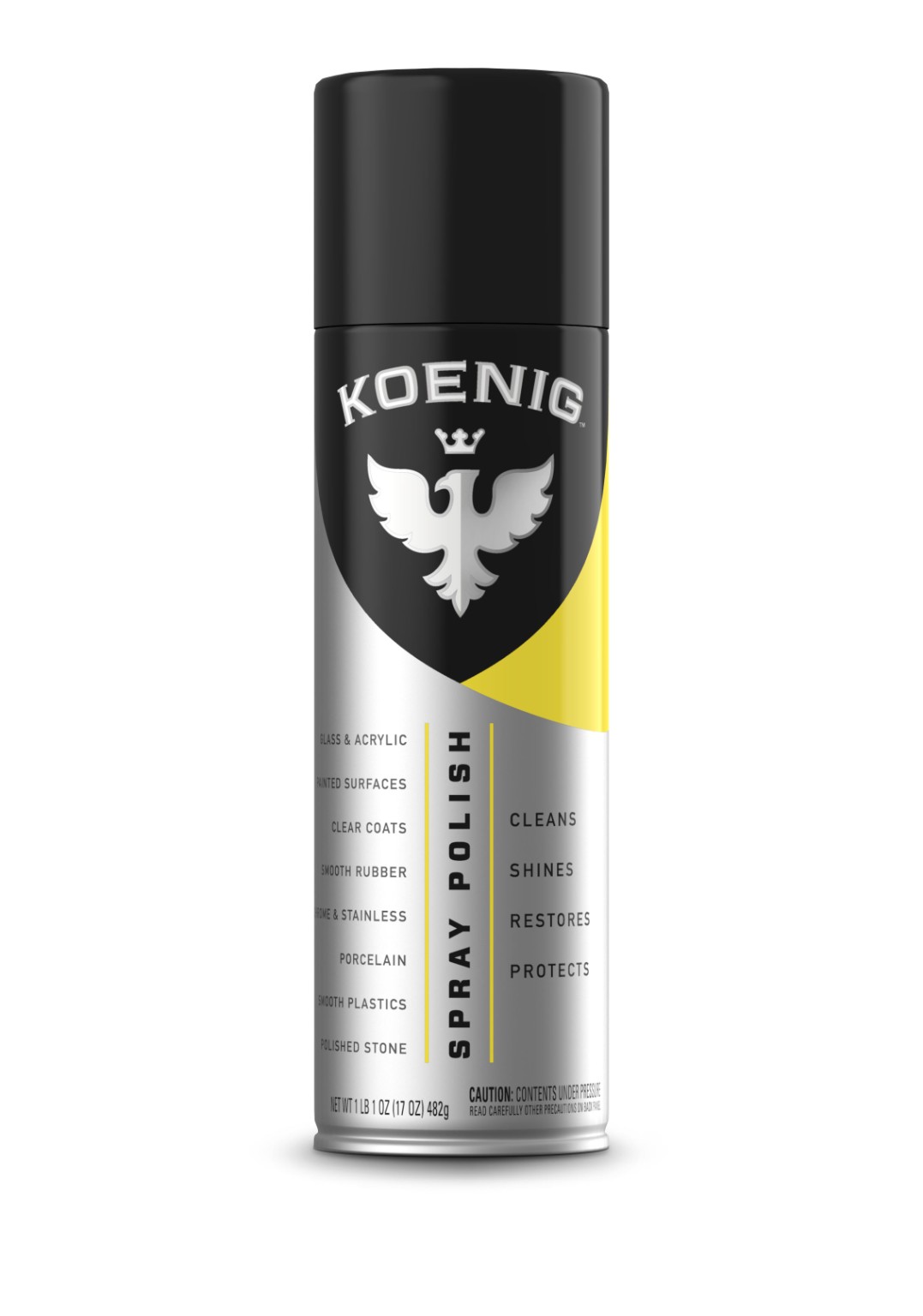
Use Koenig as part of a compatibility-first maintenance process for identified aircraft transparencies, not as permission to treat every window, windscreen, canopy, coating, or aircraft model the same way.
Routine transparency maintenance
A fit when an identified compatible aircraft transparency needs ordinary cleaning, polishing, or clarity maintenance without aggressive correction.
Prepared compatible surfaces
Use after loose grit has been removed, the transparency material has been identified, and a small compatibility test supports continued use.
Compatibility first
Acrylic, polycarbonate, Lexan-type materials, coated transparencies, and specialty systems can have different restrictions. Aircraft OEM, AMM, and transparency-manufacturer instructions take priority.
Aircraft Acrylic FAQ
Common questions about aircraft windows, windscreens, and canopies.
Can Koenig Polish be used on aircraft acrylic windows?
This page supports evaluation on compatible aircraft acrylic transparencies using a conservative process. Confirm the actual transparency material and follow aircraft OEM, AMM, and window-manufacturer instructions before broader use.
Is aircraft acrylic the same as ordinary glass?
No. Many aircraft transparencies are plastic materials such as acrylic rather than conventional glass. Their scratch resistance, chemical compatibility, coatings, and maintenance restrictions can differ.
Can I use household glass cleaner on an aircraft windshield?
Do not assume a household glass product is appropriate for an aircraft transparency. Identify the material and use only a cleaner or polish that is compatible with the transparency and allowed by the applicable manufacturer guidance.
What is the difference between acrylic and polycarbonate aircraft windows?
They are different plastic materials and can have different scratch, coating, and chemical-compatibility limits. Plexiglas is commonly associated with acrylic, while Lexan is a common polycarbonate trade name. Verify the actual installed transparency.
How should bug residue be removed without scratching an aircraft window?
Remove loose grit first and soften stubborn residue before wiping. Use clean, soft applicators with light pressure rather than dry-scrubbing contamination across the transparency.
Can this process repair deep scratches or crazing?
No repair claim is made here. Deep scratches, crazing, cracks, delamination, and failed coatings require diagnosis and a process approved for the specific transparency and aircraft.
Related problems and next steps